
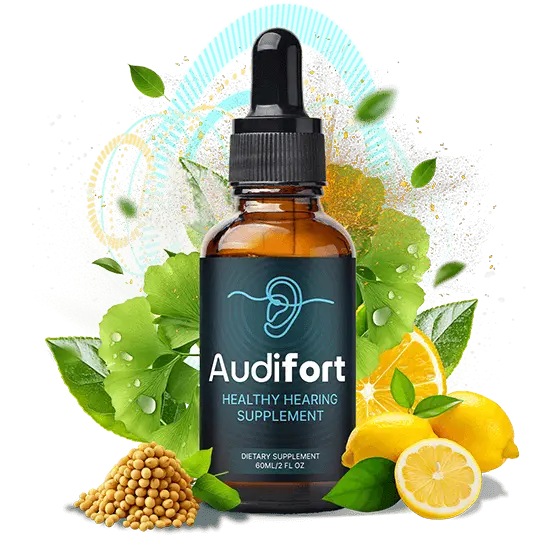
Many people are searching for natural solutions to support their hearing health. As technology advances and noisy environments become more common, it’s not surprising that supplements like Audifort are attracting attention. But what exactly is Audifort? What ingredients does it contain, and how might those ingredients benefit your ears and overall well-being? If you’re curious about the science and real-world value behind Audifort, this article is for you.
Here, you’ll find a deep, clear breakdown of every main ingredient in Audifort, along with a detailed look at its possible benefits. You’ll also learn about the science behind each compound and discover some surprising insights that many first-time supplement users miss.
Whether you’re considering trying Audifort yourself, or simply want to understand more about supplements for hearing, you’ll get all the details you need to make an informed choice.
What Is Audifort?

Audifort is a dietary supplement designed to support hearing and ear health. Its formula uses a blend of plant extracts, vitamins, and minerals. The creators claim that these ingredients work together to protect the ears from damage, improve hearing clarity, and support the body’s natural processes involved in ear function.
Unlike prescription drugs, Audifort does not treat hearing loss directly. Instead, it aims to support the body’s natural defenses and provide nutrients that may be missing from everyday diets. Many people are drawn to Audifort because it is non-invasive and easy to use: just take the recommended dose each day with water.
Audifort Ingredient Overview
Audifort’s formula is made of carefully selected natural ingredients. Each was chosen based on research into their roles in hearing, nerve health, and inflammation. Here are the key ingredients usually found in Audifort:
- Ginkgo Biloba
- St. John’s Wort
- Vinpocetine
- Huperzine A
- L-Glutamine
- Bacopa Monnieri
- Zinc
- Magnesium
- N-Acetyl L-Carnitine
- Vitamin B6
- Vitamin B12
- Folate (Vitamin B9)
- L-Tyrosine
- Phosphatidylserine
- N-Acetyl Cysteine (NAC)
- Alpha Lipoic Acid
Let’s dive into each ingredient, how it works, and what science says about its potential benefits for hearing and brain health.



Detailed Breakdown: Audifort Ingredients
Ginkgo Biloba
Ginkgo biloba is one of the oldest living tree species, and its leaves have been used in traditional medicine for centuries. The main reason it appears in hearing supplements like Audifort is its effect on blood circulation. Ginkgo is believed to improve blood flow to the brain and inner ear, which is essential for healthy hearing.
Some studies suggest that Ginkgo can help reduce tinnitus (ringing in the ears), though results are mixed. It is also known for its antioxidant properties, which help protect ear cells from damage caused by free radicals.
Non-obvious Insight
Ginkgo’s effects on hearing are often more noticeable in people who have poor circulation or age-related hearing decline, rather than sudden hearing loss.
St. John’s Wort
St. John’s Wort is a flowering plant famous for its use in natural mood support. But why is it included in a hearing supplement? Research shows that mental well-being and stress play a role in how we process sounds. High stress can actually make tinnitus and hearing issues feel worse.
St. John’s Wort’s natural compounds may support neurotransmitter balance, helping the brain process sound signals more efficiently. It may also help with sleep, which is important because poor sleep can make ear problems more noticeable.
Non-obvious Insight
St. John’s Wort can interact with many medications, so check with your doctor if you take prescription drugs.
Vinpocetine
Vinpocetine is a compound derived from the periwinkle plant. It’s known for its ability to improve brain blood flow and support memory. In hearing supplements, vinpocetine is thought to help deliver more oxygen and nutrients to the delicate structures of the inner ear.
Some studies show that vinpocetine may protect the nerves in the ear from damage due to poor blood supply or inflammation. It’s also being researched for its potential in treating sensorineural hearing loss.
Non-obvious Insight
Vinpocetine is not approved as a dietary supplement in some countries. Always check local regulations if you’re unsure.
Huperzine A
Huperzine A comes from a type of moss called Huperzia serrata. It is best known for its use in brain health supplements, especially for memory and focus. The reason it’s included in Audifort is its action on the neurotransmitter acetylcholine, which is important for sending sound signals from the ear to the brain.
By supporting acetylcholine, huperzine A may help the brain process sound more clearly. Some researchers believe it could offer protection against age-related decline in hearing.
Non-obvious Insight
Huperzine A is often used in very small doses, but its effects can last for many hours. Taking more does not always mean better results.
L-glutamine
L-Glutamine is an amino acid found in many foods. It is important for the health of nerves and the immune system. In supplements, it’s thought to support the nerves involved in hearing, helping them send signals quickly and accurately.
Glutamine also supports the health of the gut, which can indirectly affect the immune system and inflammation in the body—including the ears.
Non-obvious Insight
Many people overlook the connection between gut health and ear health. Chronic gut problems can sometimes make ear symptoms worse.
Bacopa Monnieri
Bacopa monnieri is a herb used in traditional Indian medicine. It is known for its ability to improve memory, reduce anxiety, and support nerve function. In Audifort, bacopa is included for its neuroprotective effects.
Bacopa’s antioxidants help protect the delicate hair cells in the inner ear, which are essential for hearing. It may also reduce inflammation, which is a common cause of ear discomfort and damage.
Non-obvious Insight
The benefits of bacopa often take several weeks to become noticeable, as it works slowly to support nerve health.
Zinc
Zinc is a mineral that plays many roles in the body, especially in the immune system and cell repair. Several studies have found that zinc deficiency is linked to hearing loss, especially in older adults.
In Audifort, zinc is included to support the repair of ear cells and to help fight infections that can damage hearing. Zinc also has a role in controlling inflammation, which can protect the tiny structures inside the ear.
Non-obvious Insight
Too much zinc can actually cause other mineral imbalances, so more is not always better. The best results come from balanced formulas.
Magnesium
Magnesium is another mineral that supports many body systems. In relation to hearing, magnesium is important because it helps protect the hair cells in the inner ear from damage caused by loud noise.
Some research shows that magnesium can help prevent noise-induced hearing loss by reducing the effects of stress and inflammation. It also supports nerve function, making sure sound signals travel smoothly from the ear to the brain.
Non-obvious Insight
Many people are mildly deficient in magnesium without knowing it, especially if they eat a lot of processed foods.
N-acetyl L-carnitine
N-Acetyl L-Carnitine (NAC) is a form of the amino acid carnitine, which helps cells produce energy. In hearing health, it is valued for its ability to protect nerves and improve blood flow.
NAC is also a powerful antioxidant, helping to clear out harmful free radicals that can damage ear cells. Some studies have shown that NAC may help reduce the risk of sudden hearing loss and support recovery after exposure to loud noise.
Non-obvious Insight
NAC can cross the blood-brain barrier, meaning it can reach the nerves and brain tissue quickly.
Vitamin B6
Vitamin B6 is a water-soluble vitamin essential for brain function and the production of neurotransmitters. In the context of hearing, B6 helps regulate homocysteine levels, which, when too high, can damage blood vessels and the tiny structures in the ear.
It’s also important for creating new red blood cells, ensuring that the inner ear gets enough oxygen and nutrients.
Non-obvious Insight
B6 works best when combined with other B vitamins, as they support each other’s functions in the body.
Vitamin B12
Vitamin B12 is crucial for nerve health and the production of myelin, the protective coating around nerves. Deficiency in B12 has been linked to hearing loss, especially in older adults.
B12 supports the repair and maintenance of the nerves responsible for carrying sound signals. It may also help reduce tinnitus in some people.
Non-obvious Insight
People following vegetarian or vegan diets are more likely to be low in B12, making supplementation especially important.
Folate (vitamin B9)
Folate is another B vitamin that works closely with B6 and B12. It’s needed for cell growth and repair. In hearing health, folate helps maintain the blood vessels that supply the inner ear.
Low folate levels have been associated with increased risk of age-related hearing loss. Supplementing with folate may help slow down this process.
Non-obvious Insight
Folate from natural sources is absorbed differently than the synthetic form (folic acid) found in many supplements.
L-tyrosine
L-Tyrosine is an amino acid involved in the production of neurotransmitters like dopamine and norepinephrine. These chemicals affect mood, focus, and how the brain processes sound.
Including L-tyrosine in Audifort may help support mental alertness and reduce the impact of stress on hearing. It also plays a role in overall brain health.
Non-obvious Insight
L-Tyrosine may help people adapt to stressful environments, such as loud workplaces or cities.
Phosphatidylserine
Phosphatidylserine is a fat-like substance found in high amounts in brain cells. It is important for the health of cell membranes and helps nerve cells communicate.
In Audifort, phosphatidylserine is included to support memory, mental clarity, and the brain’s ability to process sound. It may also help protect brain cells from damage due to aging and stress.
Non-obvious Insight
Phosphatidylserine supplements are often made from soy or sunflower, so check labels if you have allergies.
N-acetyl Cysteine (nac)
N-Acetyl Cysteine is a powerful antioxidant and a precursor to glutathione, the body’s master antioxidant. It is known for its ability to protect the body from toxins and free radicals, which can damage the inner ear.
Some studies show that NAC can help prevent hearing loss caused by loud noise or certain medications. It also supports the health of the immune system, which is important for protecting the ears from infection.
Non-obvious Insight
NAC is sometimes used in hospitals to treat overdose of certain drugs, showing its strong effect on detoxification.
Alpha Lipoic Acid
Alpha lipoic acid is a unique antioxidant because it works in both water and fat environments in the body. It helps regenerate other antioxidants, such as vitamins C and E, making them more effective.
In relation to hearing, alpha lipoic acid helps protect nerve cells and supports healthy blood flow to the ears. It may also reduce inflammation, which is a common cause of hearing problems.
Non-obvious Insight
Alpha lipoic acid can also help with blood sugar control, which is important since diabetes can increase the risk of hearing loss.

How Audifort’s Ingredients Work Together
Each ingredient in Audifort offers its own benefits, but the real value is in how they work together. The formula is designed to address several aspects of hearing health at the same time:
- Improving blood flow: Ingredients like ginkgo biloba, vinpocetine, and magnesium help deliver oxygen and nutrients to the inner ear.
- Protecting nerve cells: B vitamins, alpha lipoic acid, and NAC protect delicate nerves from damage.
- Reducing inflammation: Bacopa, magnesium, and zinc help control inflammation, which can harm hearing.
- Supporting neurotransmitters: Huperzine A, L-tyrosine, and phosphatidylserine help the brain process sound clearly.
- Fighting oxidative stress: Antioxidants like NAC, alpha lipoic acid, and bacopa clear away free radicals that can damage ear cells.
This combination approach makes Audifort unique compared to simple vitamin or mineral supplements.

Credit: coda.io
Comparison: Audifort Vs. Other Hearing Supplements
To help you see how Audifort stands out, here’s a comparison with two popular hearing supplements: Sonavel and Ring Defense Pro.
| Supplement | Main Ingredients | Unique Features | Target Audience |
|---|---|---|---|
| Audifort | Ginkgo biloba, vinpocetine, huperzine A, B vitamins, NAC, alpha lipoic acid | Broad formula, focus on nerve and blood flow, strong antioxidants | Adults with age-related or noise-induced hearing issues |
| Sonavel | Vitamin B6, B12, folate, magnesium, hibiscus, garlic | More focus on vitamins, herbal blend, less on nerve protection | General hearing support |
| Ring Defense Pro | Vitamin C, niacin, garlic, folate, hibiscus, juniper berries | Antioxidant-heavy, less nerve support, more general wellness | People seeking natural tinnitus relief |
Potential Benefits Of Audifort
1. Supports Healthy Hearing
The main benefit of Audifort is support for hearing function. By improving circulation, protecting nerves, and providing essential nutrients, it may help maintain healthy hearing—especially as you age or are exposed to loud environments.
2. Reduces Risk Of Tinnitus
Several of Audifort’s ingredients, especially ginkgo biloba, NAC, and zinc, have been studied for their effect on tinnitus. While not a cure, these compounds may help reduce the severity or frequency of ringing in the ears for some users.
3. Protects Against Noise-induced Damage
If you work in a loud setting or enjoy loud music, your ears are at risk. Audifort’s magnesium, NAC, and alpha lipoic acid can help protect the delicate inner ear hair cells from noise-induced hearing loss.
4. Boosts Brain And Nerve Health
Good hearing depends on healthy nerves and a well-functioning brain. The B vitamins, huperzine A, and phosphatidylserine in Audifort support memory, focus, and nerve repair, which are all important for clear sound processing.
5. Fights Oxidative Stress
Many hearing problems are linked to oxidative stress—damage caused by free radicals. The antioxidants in Audifort, including alpha lipoic acid and NAC, help protect cells from this damage.
6. May Support Immune Health
With minerals like zinc and vitamins like B6 and folate, Audifort also gives your immune system a boost. This is important because ear infections and inflammation can damage your hearing over time.
7. Encourages Better Sleep And Mood
Some users report that ingredients like St. John’s Wort and bacopa help them sleep better and feel calmer. Good rest and mood can make ear symptoms feel less severe.
8. May Slow Age-related Decline
By supporting blood flow, nerve repair, and antioxidant protection, Audifort may help slow down age-related hearing loss.

Possible Drawbacks And Safety
Like any supplement, Audifort has some points to consider:
- Interactions: St. John’s Wort can interact with many medications, and vinpocetine is not allowed in some countries.
- Allergies: Some ingredients may cause allergic reactions in sensitive people.
- Overdose risk: Taking more than the recommended dose can cause side effects, especially with minerals like zinc and magnesium.
- Not a cure: Audifort is not a substitute for medical treatment for serious ear conditions.
If you are pregnant, breastfeeding, or taking prescription drugs, talk to your doctor before starting Audifort.
Science And Research: What Do Studies Say?
Many ingredients in Audifort have been studied individually. For example:
- Ginkgo Biloba: A review in the journal “Cochrane Database of Systematic Reviews” found mixed results for tinnitus support, but some users did report benefits.
- Magnesium: Research published by the National Institutes of Health suggests magnesium helps protect against noise-induced hearing loss.
- B Vitamins: A study in “The American Journal of Clinical Nutrition” found that older adults with higher B vitamin intake had a lower risk of hearing decline.
More research is needed to confirm the effects of these ingredients when combined, but the overall evidence supports their use for hearing and nerve health. For more details, you can check the National Institutes of Health.
Who Should Consider Audifort?
You might consider Audifort if:
- You are noticing early signs of hearing loss or tinnitus.
- You work or live in a noisy environment.
- You want to support your brain and nerve health as you age.
- You have a family history of hearing problems.
Audifort is not for people with serious ear infections, sudden hearing loss, or those who need urgent medical care. Always consult a health professional for serious symptoms.
Dosage And Usage Tips
Most users take Audifort as a daily capsule, usually with a meal. Dosage instructions are based on the manufacturer’s recommendations, but never exceed the stated amount.
For best results:
- Take the supplement regularly, not just when symptoms are bad.
- Combine with a healthy diet rich in fruits, vegetables, and lean proteins.
- Protect your ears from loud noises by wearing earplugs or turning down the volume.
- Stay hydrated and get enough sleep, as both affect your hearing and overall health.

Credit: sites.google.com
User Experience: What Real Users Report
Many users say they notice clearer hearing, less ringing, and better focus after taking Audifort for several weeks. Some people report improvements in sleep and mood as well.
However, not everyone gets the same results. A small percentage of users may notice no effect, especially if hearing loss is due to permanent damage rather than nutrition or circulation.
One important thing beginners often miss: supplements take time. It may take 4–8 weeks to see noticeable changes, especially for nerve health. Patience and consistency are key.
Cost And Value
When compared to single-ingredient supplements, Audifort may seem more expensive. However, you are getting a blend of high-quality, research-backed ingredients in each dose. This can save money (and guesswork) compared to buying each nutrient separately.
Here’s a quick look at how Audifort compares to buying separate supplements:
| Supplement Type | Estimated Monthly Cost | Convenience | Comprehensive Formula |
|---|---|---|---|
| Audifort (all-in-one) | $40–$60 | Very convenient | Yes |
| Buying individual ingredients | $80–$120 | Less convenient | Maybe (depends on choices) |
Practical Tips For Maximizing Audifort’s Benefits
- Be patient: Results are gradual; track your hearing and mood over time.
- Protect your ears: Use ear protection if you are exposed to loud sounds.
- Eat well: A balanced diet boosts the effectiveness of any supplement.
- Stay active: Good circulation supports healthy hearing.
- Don’t skip doses: Consistency is key for long-term results.
Common Mistakes To Avoid
- Taking more than the recommended dose, thinking it will work faster.
- Ignoring possible drug interactions, especially with St. John’s Wort.
- Expecting instant results; nerve and hearing support takes time.
- Not combining supplements with lifestyle changes (healthy eating, noise protection).
Frequently Asked Questions
What Is Audifort Used For?
Audifort is a dietary supplement designed to support hearing health, reduce tinnitus symptoms, and protect the nerves and cells of the inner ear. It is often used by people with age-related hearing concerns or those exposed to loud environments.
Are There Any Side Effects To Audifort?
Most people tolerate Audifort well, but some may experience mild digestive upset, headaches, or allergic reactions. St. John’s Wort can interact with many medicines, so check with your doctor if you take prescriptions.
How Long Does It Take To See Results With Audifort?
Effects can vary, but most users see changes after 4 to 8 weeks of regular use. Improvements in hearing clarity, reduced ringing, and better focus are commonly reported.
Can Audifort Cure Hearing Loss?
No, Audifort cannot cure hearing loss, especially if it is caused by permanent damage. It is designed to support hearing health, not replace medical treatment. Always consult a doctor for serious or sudden hearing problems.
Is Audifort Safe For Everyone?
Audifort is generally safe for most adults, but it is not suitable for children, pregnant or breastfeeding women, or people with certain health conditions. If you are taking medication or have allergies, consult your healthcare provider before starting any supplement.
Taking care of your hearing is a lifelong process. While supplements like Audifort may offer valuable support, the best results come from a combination of good nutrition, healthy habits, and regular check-ups with hearing professionals. By understanding what goes into Audifort and how it works, you are one step closer to making the best choice for your ear health.
Leave a Reply