
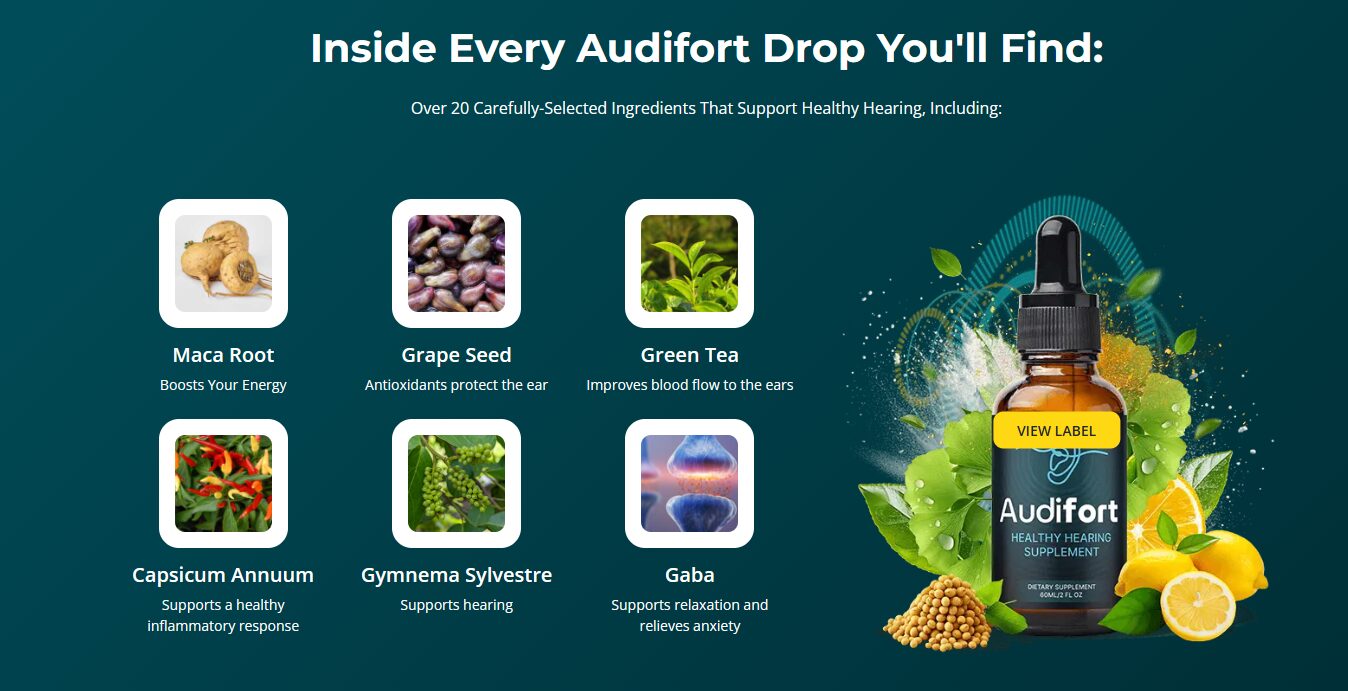
Hearing loss can change life in many ways. Simple conversations can become a struggle. Enjoying music or listening to loved ones may feel out of reach. In recent years, many people have turned to dietary supplements, like Audifort, to help improve their hearing health. But does Audifort really work? What do you need to know before trying it? This guide takes a deep look into Audifort, its ingredients, how it claims to help with hearing loss, what science says, and what you should consider before making a decision.
What Is Audifort?
Audifort is a dietary supplement that is marketed for people with hearing loss or those wanting better ear health. It comes in capsule form and is usually taken once or twice a day with water. The makers claim that Audifort supports the inner ear, improves hearing, and even helps prevent further hearing damage.
Unlike prescription medicine, Audifort is sold over the counter and does not require a doctor’s note. It is made from a mix of vitamins, minerals, herbs, and plant extracts, all chosen for their potential benefits to hearing and ear function.


The Problem Of Hearing Loss
Hearing loss is a global issue. According to the World Health Organization, over 1.5 billion people worldwide live with some degree of hearing loss. For many, it begins slowly, often with trouble hearing high-pitched sounds or following conversations in noisy places. Common causes include:
- Aging (presbycusis)
- Repeated loud noise exposure
- Ear infections or illnesses
- Genetics
- Use of certain medications
While hearing aids and cochlear implants are standard treatments, not everyone is ready or able to use these devices. That’s why interest in supplements like Audifort has grown.
How Audifort Claims To Work
The makers of Audifort suggest it works in several ways:
- Protects inner ear cells: Certain ingredients are said to shield ear cells from damage caused by free radicals or toxins.
- Improves blood flow: Good circulation is important for ear health. Some Audifort ingredients aim to boost blood flow to the inner ear.
- Reduces inflammation: Chronic inflammation can harm hearing. Anti-inflammatory ingredients in Audifort may help.
- Supports nerve function: Healthy nerves in the ear are critical for hearing. Audifort aims to provide nutrients that keep these nerves strong.
These Claims Sound Promising, But Do The Ingredients Support Them?
Main Ingredients In Audifort
To understand Audifort, it’s important to look at the ingredient list. While the exact formula can differ by brand or region, the following are commonly included:
1. Ginkgo Biloba
This plant extract is widely used in supplements for brain and circulation health. Some studies suggest ginkgo may help with tinnitus (ringing in the ears) and support blood flow to the ears.
2. Magnesium
Low magnesium has been linked to increased risk of noise-induced hearing loss. Magnesium may help protect the delicate hair cells inside the ear from damage.
3. Zinc
Zinc is important for immune health and has been studied for its role in hearing recovery after sudden hearing loss.
4. Vitamin B12
A lack of vitamin B12 is connected to tinnitus and hearing problems, especially in older adults.
5. Folic Acid
This B vitamin helps with blood circulation. Some research suggests it may slow age-related hearing loss.
6. Alpha-lipoic Acid
Known for its antioxidant properties, alpha-lipoic acid helps reduce free radical damage that can harm hearing cells.
7. N-acetyl Cysteine (nac)
NAC is another antioxidant that may protect against hearing loss caused by loud noise.
8. Other Herbal Extracts
Some Audifort products include hawthorn berry, garlic, or other plants believed to support circulation and reduce inflammation.
Here is a summary of some key ingredients found in Audifort and their possible roles:
| Ingredient | Possible Benefit | Evidence Level |
|---|---|---|
| Ginkgo Biloba | Improved blood flow, tinnitus relief | Moderate |
| Magnesium | Protects inner ear cells | Moderate |
| Zinc | Supports immune and ear health | Limited |
| Vitamin B12 | May help with tinnitus | Limited |
| Folic Acid | Supports circulation | Some |
| Alpha-Lipoic Acid | Antioxidant protection | Limited |
| NAC | Antioxidant, protects against noise damage | Some |
What Does Science Say About These Ingredients?
While Audifort contains ingredients linked to ear health, it’s important to know what clinical studies actually show.
- Ginkgo Biloba: Some research suggests it may help reduce tinnitus symptoms, but results are mixed. The American Academy of Otolaryngology does not recommend it as a first-line treatment for hearing loss.
- Magnesium: Several animal and small human studies show magnesium may protect against noise-induced hearing loss, but more research is needed for clear conclusions.
- Zinc: A few studies found zinc supplements might help people recover from sudden hearing loss, especially those with a zinc deficiency.
- Vitamin B12 & Folic Acid: Low levels are linked to hearing loss, but giving supplements to people without a deficiency does not always lead to better hearing.
- Alpha-Lipoic Acid & NAC: These antioxidants show promise in animal studies to reduce hearing loss from loud noise, but strong human evidence is lacking.
Here’s how the evidence stacks up for common Audifort ingredients:
| Ingredient | Helps Prevent Hearing Loss | Helps Treat Hearing Loss |
|---|---|---|
| Ginkgo Biloba | Possible | Unproven |
| Magnesium | Some support | Unproven |
| Zinc | Limited | Limited |
| Vitamin B12 | Possible if deficient | Limited |
| Folic Acid | Some support | Unproven |
| Alpha-Lipoic Acid | Animal studies only | Unproven |
| NAC | Animal studies only | Unproven |
Non-obvious insight: Even if a supplement contains these ingredients, the dose and quality matter a lot. Not all supplements have enough of each ingredient to make a difference. Also, many studies use much higher doses than what is found in most over-the-counter supplements.
How To Use Audifort
If you decide to try Audifort, following the instructions is important. Most products recommend taking one or two capsules each day, usually with water and food. Always check the label for the exact dose.
It can take several weeks before you notice any effects—if you notice any at all. Supplements like Audifort are not designed for quick fixes. You must also continue using any hearing aids or other medical devices prescribed by your doctor. Supplements should never replace professional medical care.
Potential Benefits Of Audifort
People choose Audifort for several reasons. Here are some possible benefits:
- Convenient to use: Capsules are easy to take and don’t require a prescription.
- Natural ingredients: Most ingredients are plant-based or vitamins and minerals.
- May support overall ear health: Some users report less ear ringing or better hearing clarity.
- Supports the immune system: Ingredients like zinc and vitamin C (sometimes included) may help your body fight infections that could affect the ears.
- May help with noise-related damage: Antioxidants like magnesium and NAC might protect the inner ear from loud sounds.
However, it is important to remember that effects can be mild or not noticeable for many people. Results vary depending on the cause of hearing loss, your age, and your overall health.
Possible Side Effects And Risks
Supplements like Audifort are usually considered safe for healthy adults. But there are risks and side effects to keep in mind:
- Digestive upset: Some people notice stomach pain, nausea, or diarrhea.
- Allergic reactions: Ingredients like ginkgo or garlic can cause allergies in rare cases.
- Medication interactions: Audifort can interact with blood thinners, diabetes medication, or immune-suppressing drugs.
- Overdose risk: Taking too much zinc, vitamin B6, or other vitamins can be harmful over time.
Non-obvious insight: Herbal ingredients like ginkgo can increase bleeding risk, especially before surgery or if you take blood thinners. Always check with your doctor before starting any supplement.
Who Should Not Use Audifort?
While many adults can safely try Audifort, some groups should avoid it or use with caution:
- Pregnant or breastfeeding women: Safety is not well studied in these groups.
- Children: Supplements are not usually recommended for kids unless a doctor approves.
- People with certain health conditions: If you have blood clotting disorders, epilepsy, or serious heart or kidney disease, talk to a doctor first.
- People taking medication: Especially blood thinners, diabetes drugs, or immune-suppressing medicines.
If you have any doubts, always ask your healthcare provider before starting Audifort or any other supplement.
Audifort Vs. Other Hearing Supplements
The market for hearing supplements is crowded. How does Audifort compare to other popular products? Here is a side-by-side look at Audifort and some competitors:
| Product | Main Ingredients | Unique Features | Typical Cost (30-day supply) |
|---|---|---|---|
| Audifort | Ginkgo, Magnesium, Zinc, B12, Folic Acid, NAC | Focus on antioxidants and circulation | $40-$60 |
| Sonus Complete | Hawthorn, Hibiscus, Garlic, B Vitamins | Emphasis on reducing tinnitus | $50-$70 |
| Quietum Plus | Yam, Fenugreek, Dong Quai, L-Tyrosine | Includes adaptogenic herbs | $40-$60 |
| NeuroRise | Grape Seed, Gymnema, Maca Root | Focus on brain and nerve support | $45-$65 |
Key differences: Audifort tends to focus more on antioxidants and circulation, while others include more herbal blends or focus on tinnitus. Prices are quite similar across brands.
Credit: spinedoctormiami.com
What Real Users Say About Audifort
Reviews of Audifort are mixed. Some people report noticeable improvements in their hearing or less ear ringing after a few weeks. Others see little or no change. Here are some common themes from user reviews:
- “My ears feel less blocked, and I can follow conversations better.”
- “Didn’t notice much change after a month.”
- “Helped reduce my tinnitus, but not a cure.”
- “Easy to take, but expensive.”
Non-obvious insight: Many positive reviews come from people who combine Audifort with lifestyle changes—like reducing noise exposure, eating better, and using hearing aids.
Practical Tips For Protecting Hearing
Supplements can help support ear health, but they are not a magic cure. Here are some proven ways to protect your hearing every day:
- Limit loud noise: Use earplugs at concerts or when using power tools.
- Keep ears dry and clean: Moisture can cause infections. Dry your ears after swimming or bathing.
- Avoid sticking objects in your ears: Cotton swabs and sharp items can cause injury.
- Eat a healthy diet: Foods rich in antioxidants, like berries and leafy greens, support overall ear health.
- Manage chronic conditions: Diabetes and high blood pressure can damage hearing over time.
- Have regular hearing checks: Early detection helps prevent further loss.
The Truth About Supplements And Hearing Loss
While Audifort and similar products offer hope, it’s important to be realistic. No supplement can reverse severe hearing loss or replace devices like hearing aids. Most scientific evidence supports only a mild benefit, mainly for people with mild hearing loss or certain deficiencies.
Practical advice: If you notice sudden hearing loss, severe ear pain, dizziness, or discharge from your ear, see a doctor right away. These could be signs of serious problems that need medical treatment.
How To Choose A Hearing Supplement
If you decide to try Audifort or a similar product, keep these tips in mind:
- Check the ingredient list: Look for well-studied ingredients. Avoid products with secret blends (“proprietary blends”) that do not list amounts.
- Choose trusted brands: Buy from reputable companies with good customer reviews and clear contact information.
- Watch out for marketing claims: Be careful with products that promise “miracle cures” or “instant results.”
- Talk to your doctor: Especially if you take other medications or have health conditions.
- Monitor your results: Keep track of any changes in hearing or side effects.

Cost And Value Of Audifort
Audifort is not cheap. A one-month supply usually costs $40-$60. Some brands offer discounts for buying several bottles at once. Insurance does not cover hearing supplements.
Is it worth the cost? For some, mild improvements in hearing or less ringing are worth the price. For others, the lack of strong evidence and high cost make it less appealing. Always weigh the cost against your personal health goals and budget.
The Role Of Diet And Lifestyle
Don’t underestimate the power of a healthy lifestyle in supporting your hearing. Eating a balanced diet, avoiding loud noises, and managing stress can make a big difference. Supplements like Audifort may help some people, but they work best as part of a bigger plan for ear health.
Credit: www.ringneckenergy.com
Where To Buy Audifort
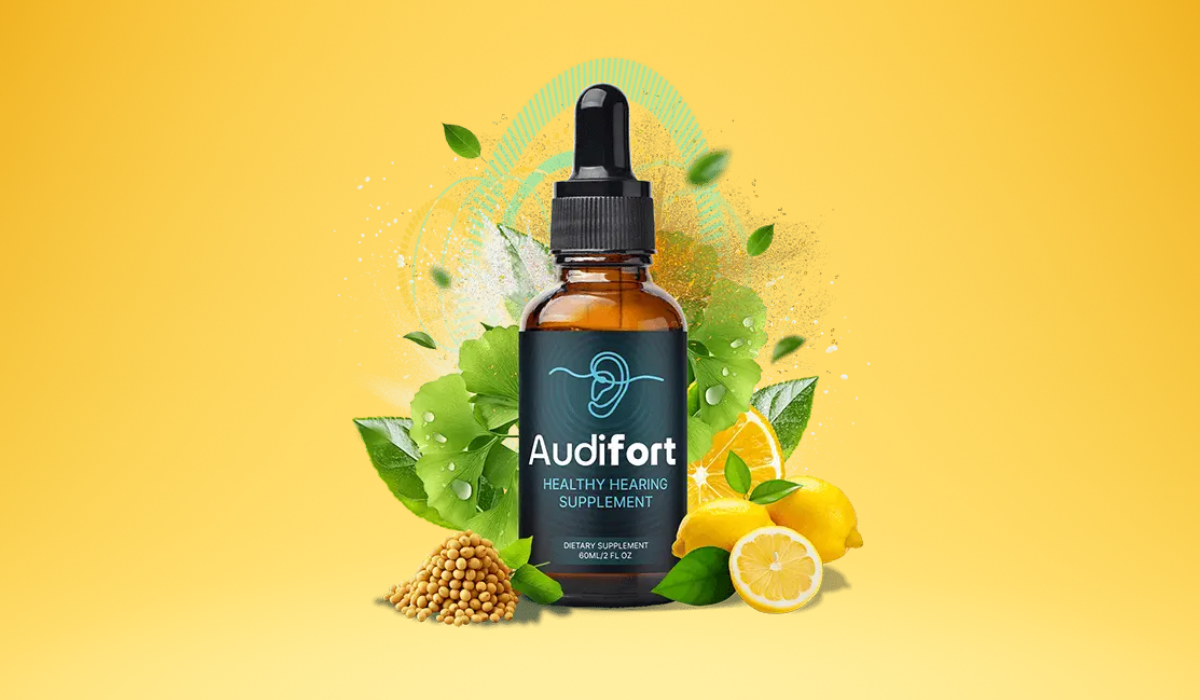
Audifort is sold online through the official website and some health stores. Be careful with third-party websites—there are reports of counterfeit products or supplements that do not match the real formula. Always buy from trusted sources.
If you want to learn more about the science of hearing loss and supplements, the National Institutes of Health has a useful guide: NIH Hearing Loss Overview.
Frequently Asked Questions
What Is The Main Purpose Of Audifort?
Audifort is designed to support hearing health and possibly slow down or prevent further hearing loss. It uses a blend of vitamins, minerals, and plant extracts that aim to protect the inner ear, improve blood flow, and reduce inflammation.
How Long Does It Take To See Results From Audifort?
Most people need to use Audifort for at least 4–8 weeks before noticing any changes. Some may see benefits sooner, while others may not notice any difference at all. Results depend on the cause and severity of hearing loss.
Can Audifort Cure Hearing Loss?
No. There is no scientific proof that Audifort or any supplement can cure hearing loss. It may support ear health and help with mild symptoms, but it cannot replace hearing aids or medical treatments for serious hearing loss.
Are There Any Side Effects?
Possible side effects include digestive upset, allergic reactions, or interactions with other medications. Most people tolerate Audifort well, but it’s always best to speak with a doctor before starting any new supplement.
Who Should Avoid Audifort?
Pregnant or breastfeeding women, children, and people with certain health problems (like bleeding disorders or those on blood thinners) should avoid Audifort unless a doctor says it is safe.
Choosing a hearing supplement like Audifort is a personal decision. While some people find mild benefits, the best approach combines supplements, healthy habits, and professional medical advice. Always keep your expectations realistic, and remember—protecting your hearing starts with the choices you make every day.
Leave a Reply