

Maintaining healthy blood pressure is important for a strong heart and long life. Many people look for ways to support their blood pressure naturally, and one simple, enjoyable method is drinking tea. Over the years, different cultures have used herbal and natural teas for health.
Today, science is starting to back up these traditions. But not all teas are the same—some have special compounds that can help relax blood vessels, reduce stress, or offer antioxidants.
Understanding which natural teas may support healthy blood pressure can give you more choices for your daily routine. Whether you are looking for an alternative to medication, or just want to add a healthy habit, learning about these teas can be helpful.
This article explores the best natural teas for blood pressure, how they work, and how to use them safely.
How Blood Pressure Works And Why It Matters
Blood pressure is the force your blood puts on your artery walls as your heart pumps. High blood pressure, called hypertension, can damage your arteries and heart over time. It is often called the “silent killer” because there are usually no symptoms until serious health problems appear. Factors like diet, stress, exercise, and genetics all play a role.
Some teas contain compounds that can help relax blood vessels, reduce inflammation, or help your body handle stress better. These effects can support healthy blood pressure. Still, tea should not be a replacement for doctor-recommended treatments, but it can be a useful part of a healthy lifestyle.
Top Natural Teas To Support Healthy Blood Pressure
Many herbal and natural teas have been studied for their possible benefits. Here are some of the best-known options, how they work, and what science says about them.
Hibiscus Tea
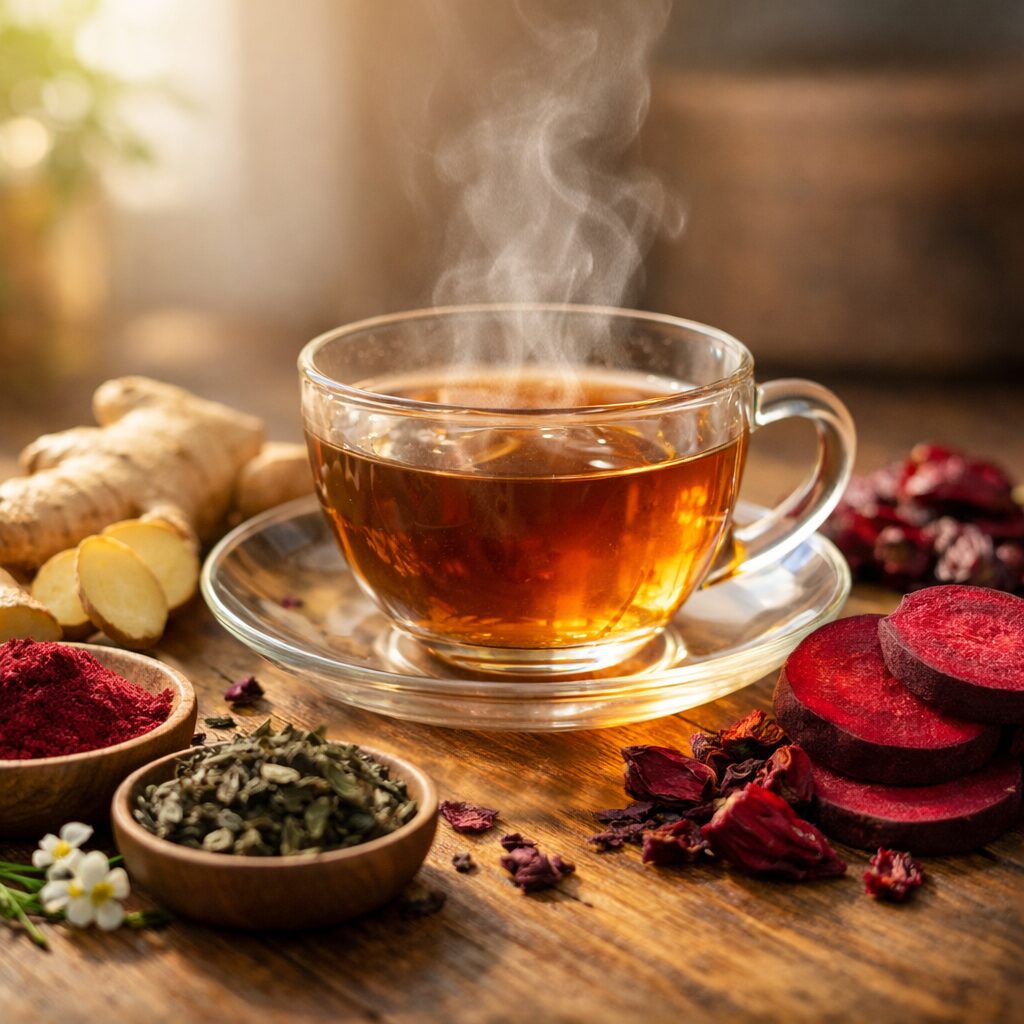
Hibiscus tea is made from the dried petals of the Hibiscus sabdariffa flower. It has a tart, cranberry-like taste and is popular in many countries.
Studies show hibiscus tea can help lower blood pressure, especially for people with mild to moderate hypertension. The key compounds are anthocyanins and other antioxidants, which may help relax blood vessels and reduce inflammation. One study found drinking two cups per day lowered systolic blood pressure by an average of 7 points.
Hibiscus tea is easy to make—just steep 1-2 teaspoons of dried petals in hot water for 5-10 minutes. It can be enjoyed hot or cold.
Non-obvious tip: Hibiscus tea can interact with some blood pressure medicines, making their effect stronger. Always talk to your doctor before adding it to your routine.
Green Tea

Green tea is made from the unfermented leaves of the Camellia sinensis plant. It is rich in catechins, a type of antioxidant that may support heart health.
Research suggests regular green tea drinkers have lower blood pressure and a reduced risk of heart disease. Green tea’s catechins may help improve the flexibility of blood vessels and reduce cholesterol. One meta-analysis found that drinking three or more cups a day for several weeks led to small but meaningful drops in both systolic and diastolic blood pressure.
To make green tea, steep 1 teaspoon of loose leaves in hot (not boiling) water for 2-3 minutes.
Non-obvious tip: For best results, avoid adding milk, as it can reduce the tea’s antioxidant absorption.
Oolong Tea
Oolong tea is a partially fermented tea, placing it between green and black tea. It contains both theaflavins and catechins.
Some studies show oolong tea can help lower blood pressure, especially when combined with a healthy diet. A Chinese study found that regular oolong tea drinkers had a 46% lower risk of developing hypertension compared to non-drinkers.
Oolong tea has a floral, sometimes fruity taste. Steep 1 teaspoon in hot water for 3-5 minutes.
Black Tea
Black tea is more fermented than green or oolong tea, giving it a stronger taste and higher caffeine content. It is rich in flavonoids.
While black tea can support healthy blood pressure, the results are mixed—some studies show small drops, others show no effect. The key may be the amount and the person’s overall diet.
Steep 1 teaspoon of black tea leaves in boiling water for 3-5 minutes. Avoid too much sugar or milk for the best benefits.
Rooibos Tea
Rooibos, also known as red bush tea, comes from a plant native to South Africa. It is caffeine-free and contains unique antioxidants like aspalathin.
Early studies suggest rooibos tea may help relax blood vessels and support healthy blood pressure, possibly by reducing the hormone angiotensin, which narrows blood vessels. More research is needed, but it is a safe, pleasant option.
To prepare, steep 1-2 teaspoons in boiling water for 5-7 minutes.
Chamomile Tea
Chamomile tea is made from the dried flowers of the Matricaria chamomilla plant. It is best known for its calming effects, which can help reduce stress—a key factor in blood pressure.
While chamomile’s direct impact on blood pressure is less studied, its ability to support relaxation and better sleep can help your body manage stress hormones. This, in turn, may keep blood pressure in a healthier range.
To make, steep 1-2 teaspoons of dried chamomile flowers in hot water for 5-10 minutes.
Ginger Tea
Ginger tea is made from fresh or dried ginger root. It is famous for its anti-inflammatory properties.
Some small studies show ginger can help reduce blood pressure by improving blood flow and relaxing the muscles around blood vessels. Ginger also supports healthy cholesterol levels.
To make ginger tea, slice a thumb-sized piece of fresh ginger and steep in hot water for 10 minutes. You can add a bit of honey or lemon for taste.
Garlic Tea
Garlic is well known for supporting heart health. Garlic tea is made by steeping crushed or sliced garlic cloves in hot water. The key compound, allicin, may help relax blood vessels and reduce blood pressure.
Clinical studies show garlic supplements can lower blood pressure by 8-10 mmHg in people with high readings. Garlic tea is less strong than supplements but still offers benefits.
To make, crush 1-2 garlic cloves and steep in hot water for 5-10 minutes. Add lemon or honey to mask the taste.
Celery Seed Tea
Celery seeds come from the Apium graveolens plant. They contain phthalides, compounds believed to relax artery walls and increase blood flow.
Some traditional medicine systems recommend celery seed tea for high blood pressure. Animal studies support this effect, but human research is limited.
Steep 1 teaspoon of crushed celery seeds in hot water for 10-15 minutes. Strain before drinking.
Hawthorn Tea
Hawthorn is a small fruit from the Crataegus species. Hawthorn tea is used in traditional Chinese and European medicine for heart health.
The tea contains flavonoids and proanthocyanidins that may help widen blood vessels, improve circulation, and lower blood pressure. Studies show hawthorn extract can reduce systolic blood pressure, but more research on the tea itself is needed.
To prepare, steep 1-2 teaspoons of dried hawthorn berries in hot water for 10-15 minutes.



Dandelion Tea
Dandelion tea is made from the leaves and roots of the Taraxacum officinale plant. It is a natural diuretic, meaning it helps the body get rid of extra salt and water, which can lower blood pressure.
Dandelion also contains potassium, which supports heart health. However, it can interact with some medicines, so use with caution.
Steep 1-2 teaspoons of dried leaves or roots in hot water for 5-10 minutes.
Lavender Tea
Lavender is famous for its calming scent and is used in aromatherapy for stress relief. Lavender tea, made from dried buds, can help relax both body and mind.
While there are few studies on lavender tea and blood pressure, its stress-reducing effects may help keep blood pressure in a healthy range by lowering cortisol (a stress hormone).
Steep 1 teaspoon of dried lavender buds in hot water for 5-7 minutes.
Cinnamon Tea
Cinnamon is a popular spice with many health benefits. Cinnamon tea is made by steeping cinnamon sticks or powder in hot water.
Research suggests cinnamon can help lower blood pressure, especially in people with diabetes. It may help relax blood vessels and reduce inflammation.
To make, steep a cinnamon stick or 1 teaspoon of ground cinnamon in boiling water for 10 minutes.
Cardamom Tea
Cardamom is a spice used in both sweet and savory dishes. Cardamom tea is popular in South Asian and Middle Eastern cultures.
A study found that taking 3 grams of cardamom powder daily for 12 weeks lowered blood pressure in people with hypertension. Cardamom is rich in antioxidants and may help relax blood vessels.
To make cardamom tea, crush 5-6 pods and steep in hot water for 5-10 minutes.
Lemon Balm Tea
Lemon balm is a lemon-scented herb in the mint family. Lemon balm tea is known for its calming effects.
Some studies suggest it can help reduce stress and improve sleep, which can positively affect blood pressure. It also contains rosmarinic acid, an antioxidant that supports heart health.
Steep 1-2 teaspoons of dried lemon balm leaves in hot water for 5-10 minutes.
Valerian Root Tea
Valerian root is often used as a sleep aid. Valerian tea can help with relaxation and reducing stress.
There is limited research on its direct effect on blood pressure, but by improving sleep and lowering anxiety, it may indirectly help support healthy levels.
Steep 1 teaspoon of dried valerian root in hot water for 10-15 minutes.
Fennel Tea
Fennel seeds are used as a spice and to make tea. Fennel tea is thought to help reduce blood pressure due to its potassium content and mild diuretic effects.
Some small studies show fennel can help relax blood vessels and support heart health.
Steep 1 teaspoon of crushed fennel seeds in hot water for 5-10 minutes.
Parsley Tea
Parsley is more than a garnish. Parsley tea is rich in vitamin C, flavonoids, and potassium.
Some animal studies suggest parsley can help lower blood pressure, likely due to its diuretic effect and antioxidants.
Steep a handful of fresh parsley or 1-2 teaspoons of dried parsley in hot water for 5-10 minutes.
Olive Leaf Tea
Olive leaves come from the same tree that gives us olives and olive oil. Olive leaf tea contains oleuropein, a compound with powerful antioxidant and anti-inflammatory effects.
Human studies found olive leaf extract can lower blood pressure, sometimes as much as common medicines. The tea is less concentrated than extracts but still offers benefits.
Steep 1-2 teaspoons of dried olive leaves in hot water for 5-10 minutes.
Moringa Tea
Moringa is sometimes called the “miracle tree.” Moringa tea is made from the leaves of the Moringa oleifera tree.
Moringa is rich in quercetin and other antioxidants. Some early studies show it can reduce blood pressure, cholesterol, and blood sugar levels.
Steep 1-2 teaspoons of dried moringa leaves in hot water for 5-10 minutes.
Key Compounds In Natural Teas For Blood Pressure
Different teas work in different ways. Here’s a simple comparison of key compounds in popular teas:
| Tea | Main Compounds | Main Effect |
|---|---|---|
| Hibiscus | Anthocyanins, antioxidants | Relaxes blood vessels |
| Green Tea | Catechins | Antioxidant, improves vessel function |
| Rooibos | Aspalathin, flavonoids | Reduces angiotensin |
| Garlic | Allicin | Relaxes blood vessels |
| Dandelion | Potassium | Natural diuretic |
How To Choose And Use Natural Teas Safely

Not all teas are right for everyone. Here are some tips to help you choose:
- Know your health conditions. Some teas, like hibiscus, can interact with blood pressure drugs or affect people with kidney problems.
- Start small. Try one cup a day and see how your body reacts.
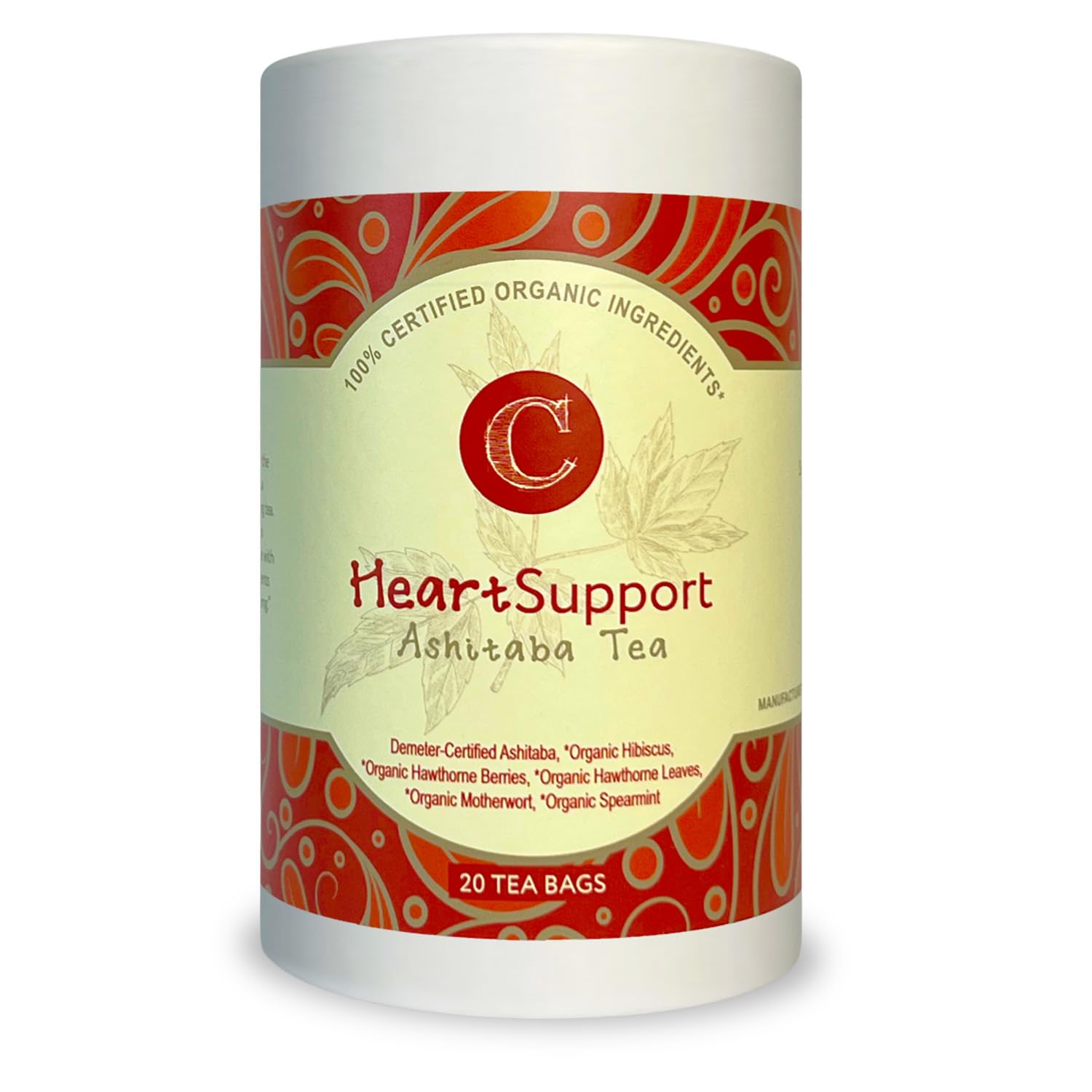
- Choose quality. Use organic, pesticide-free teas when possible.
- Avoid too much caffeine. Green, black, and oolong teas contain caffeine. Too much can raise blood pressure in sensitive people.
- Watch for allergies. Herbal teas can cause allergic reactions in some people.
Practical insight: Not all herbal teas are safe during pregnancy or for people with certain illnesses. Always check with a healthcare provider if you have any doubts.

Credit: www.merjaherbs.com
Combining Teas With A Healthy Lifestyle
Drinking tea alone is not enough to lower blood pressure if your lifestyle is unhealthy. For best results, combine natural tea with:
- A balanced diet (low salt, high in fruits and vegetables)
- Regular exercise
- Stress management (like yoga or meditation)
- Enough sleep
- Not smoking and drinking alcohol in moderation
Sometimes, people think drinking more tea will give better results. In reality, small, regular amounts as part of a healthy routine work better than large amounts at once.
Brewing The Perfect Cup: Methods And Tips
The way you brew your tea can change its benefits and taste. Here’s a simple guide:
| Tea Type | Water Temp | Steep Time | Tips |
|---|---|---|---|
| Green | 80°C (176°F) | 2-3 min | Don’t use boiling water |
| Black/Oolong | 100°C (212°F) | 3-5 min | Use fresh, filtered water |
| Herbal (hibiscus, ginger, etc.) | 100°C (212°F) | 5-10 min | Longer steep for stronger flavor |
Extra tip: If you want a stronger tea, use more leaves, not longer steeping. Over-steeping can make tea bitter or increase side effects.
Credit: www.amazon.com
Common Mistakes When Using Tea For Blood Pressure
Many people try natural teas but do not see results. Here are some common mistakes:
- Expecting quick results. Teas work slowly. Most studies show effects after weeks, not days.
- Ignoring caffeine content. Some teas raise heart rate and blood pressure in sensitive people.
- Adding too much sugar or honey. This adds calories and can raise blood sugar.
- Relying only on tea. Drinking tea cannot replace medicine or a healthy lifestyle.
- Not checking interactions. Herbal teas can interact with drugs. Always check if you take medicine.
Who Should Be Careful With Natural Teas?
While teas are generally safe, some people need to be cautious:
- Pregnant and breastfeeding women: Some herbal teas are unsafe.
- People on blood thinners: Teas like green tea or ginger may increase bleeding risk.
- People with kidney or liver issues: Some teas can stress these organs.
- People on blood pressure medicines: Teas like hibiscus or garlic can make the effect too strong.
If you are unsure, consult your doctor or pharmacist.
Real-world Examples And Research Highlights
Consider these real-life scenarios:
- A person with mild high blood pressure starts drinking hibiscus tea daily, adds walking, and reduces salt. After 8 weeks, their blood pressure drops by 6 points.
- Someone switches from sugary drinks to green tea and loses 3 kg in 3 months, leading to better blood pressure.
- A study in Nigeria found that daily use of moringa tea reduced both systolic and diastolic blood pressure in participants after 12 weeks.
These stories highlight that tea can support healthy blood pressure, especially when part of a wider health plan.
What The Experts Say
Cardiologists and nutritionists agree that natural teas can be a helpful addition, but not a cure. Dr. Stephen Kopecky, a cardiologist at the Mayo Clinic, notes that “herbal teas can offer small benefits for blood pressure, mainly through relaxation and antioxidants, but should be used with other lifestyle changes.
”
The American Heart Association also recommends limiting salt, being active, and managing stress—natural teas can support these efforts.
For more about heart health and blood pressure, visit the American Heart Association.

Frequently Asked Questions
What Is The Best Natural Tea For Lowering Blood Pressure?
Hibiscus tea is one of the best-researched options. Multiple studies show it can help lower both systolic and diastolic blood pressure, especially in people with mild to moderate hypertension. Green tea and garlic tea are also effective choices.
How Much Tea Should I Drink For Blood Pressure Benefits?
Most studies use 2-3 cups per day. It’s best to start with one cup and watch for any side effects. Do not drink large amounts, as this can cause problems, especially with caffeine or herbal teas that affect the kidneys.
Can I Drink These Teas With My Blood Pressure Medication?
Many teas are safe, but some can interact with medicines and make their effect stronger or weaker. Hibiscus and garlic tea, for example, can lower blood pressure further when taken with medication. Always check with your doctor before adding new teas to your routine.
How Long Does It Take To See Results From Drinking Natural Tea?
You may start to see small changes in blood pressure after 2-4 weeks of daily use, but bigger benefits usually take 2-3 months. Remember, tea works best as part of a healthy lifestyle.

Are There Any Side Effects From Drinking Natural Teas For Blood Pressure?
Most people have no problems, but side effects can include stomach upset, allergies, or interactions with medicines. Too much caffeine can cause insomnia or jitteriness. Always use in moderation and stop if you notice any bad reactions.
Drinking natural tea can be a pleasant and effective way to support healthy blood pressure. With so many options, you can find a tea that fits your taste and needs. Remember, natural teas work best with healthy habits and regular medical care.
Your cup of tea may be a simple step towards a healthier heart and life.
Leave a Reply